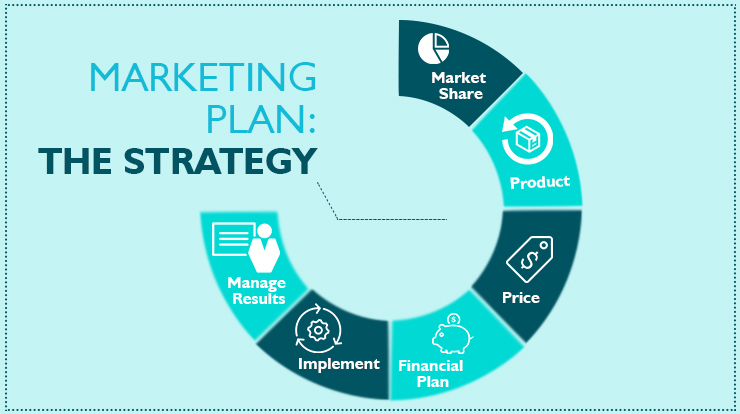
10 Elements to Create a Marketing Strategy that Works: The first step to creating a marketing plan for your business is to create a marketing plan. It doesn’t need to be complicated to make it work. These are the ten essential components of a marketing strategy.
You have started a company and are now thinking about creating a marketing plan. A marketing plan is the first step. Marketing has been my profession for over a decade. I have seen many marketing plans. Some are concise and straightforward, while others are thicker and more expensive to produce.
Ironically, many expensive marketing plans are left on the shelf and never implemented. Simple techniques can have the most significant impact if implemented well and researched.
No matter the size of your marketing plan’s scope, it is important to remember that it is a flexible document. A well-structured plan is essential for every business. It must be based on thorough research, competitive positioning and attainable results. This plan should serve as the foundation for all your activities in the next months. Depending on the results, you should be open to changing or expanding your plan.
Marketing Plan Basics
1. Market Research
Gather, organize, and record data about the market for the product or service you are selling. Here are some areas to be aware of:
- Market patterns and dynamics, including seasonality
- Customers: Demographics, target markets, demographics, needs, and purchasing decisions
- Product: What’s new and what is being offered by the competition
- Actual sales figures in the industry
- Benchmarks for the industry
- Suppliers: The vendors you can rely upon
2. Target Market
Locate niche markets that are suitable for your product, and describe them.
3. Product
Please describe your product. What does your product have to do with the market? What do your customers need?
4. Concurrence
Your competition. Your ” unique selling proposition” What sets you apart from your competitors? What are your competitors doing about branding
5. Mission Statement
A few sentences should be written that say:
- Key market – Who are you selling to?
- “Contribution” is what you are selling
- “Distinction” – your unique selling proposition
RELATED: Review Your Business Progress
6. Market Strategies
You should write down the promotion and marketing strategies you would like to use, or at least consider using. Here are some strategies to consider:
- Networking Go where your market’s at.
- Direct marketing – flyers, brochures and sales letters
- Advertising Print media and directories
- Training programs – To increase awareness
- Author articles, offer advice, and become an expert.
- Selling direct/personal
- Press releases/publicity
- Trade shows
- Business website
7. Pricing, positioning, and branding
From the information you have collected, create strategies to determine the price of your product and where it will be placed in the market. Also, consider how to increase brand awareness.
8. Budget
Budget your dollars. Which strategies are possible? What strategies can you afford?
9. Marketing Goals
Set quantifiable goals . These are goals you can convert into numbers. Your goals could be to get at least 30 clients, to sell 10 products each week, or increase your income by 30%. You might be looking for sales, profits or customer satisfaction.
10. Keep an eye on your results
Analyze and test. Identify strategies that work.
- Customers who took part in the survey
- You can track sales, leads and visitors to your website, as well as the percentage of impressions.
You will be able to sell and promote your product or service better if you do your research on the markets and your competitors. You can set goals for your marketing campaign and monitor the results to see if they are working.
Your plan should be a living document, as we have already mentioned. Successionable marketers constantly review their campaigns to ensure they are meeting their goals. This will help you plan for the future and ensure that your marketing efforts are continually improved.
Disclaimer: This page contains information only and is not intended to be used as legal, tax, accounting or other advice. Ask a licensed professional if you have any questions.