Big-O conundrum
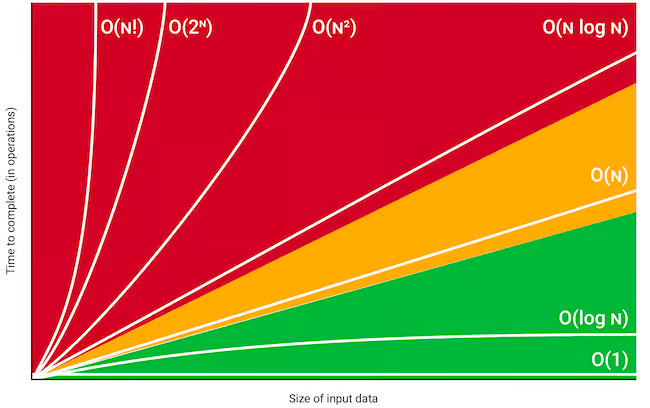
Big-O Notation in computer science is a way to describe what happens when inputs increase.
Sorting numbers, for example, is easy when there are just five or six. But when there are 5,000 you need a completely different algorithm.
This is baked into business models. It doesn’t make it harder to run a podcast application if there are more podcasts listed or if the number of users increases. Running a foodbank becomes exponentially harder as your inputs and outputs increase.
Hiring someone to check in attendees at a conference is an obvious choice if you are expecting one or two new people to arrive each few minutes.
If you plan to employ five or six employees at once, you will need at least this many people. Otherwise everything could go wrong.
What about a large convention, where hundreds or thousands of people may arrive all at once? If this is the case, you will need to eliminate check-ins altogether, and ask people to check-in in advance online.
There’s a mom and a pop. When the business starts to grow, and the inputs increase, it becomes difficult to hire another mother. We need to invest before the crisis strikes, and not wait until the algorithm is pushed too far.
Big-O issues exist in marketing, sales, customer service, finance, production, and compliance. It’s okay to wing it, until there is.